Challenge Accepted Retro Svg Review
As a designer who spends more time than I care to admit staring at stitch density charts and testing thread tension, I don’t just look at a design file; I look at how it will behave on fabric. When Challenge Accepted Retro Svg landed in my inbox, my first instinct wasn’t to think about marketing copy or social media hashtags. It was to imagine the finished product. Would this hold up in a real-world embroidery project? Could it survive the wash cycle of a busy household? And most importantly, would it resonate with the customer buying a handmade gift?
This review is not about the file formats included in the download—though having SVG, EPS, DXF, and PNG options is a solid baseline for versatility—it is about the visual personality and practical application of the design itself. For those of us in the Crafts and Graphics spaces, understanding the nuance between a decorative clipart and a functional embroidery asset is what separates a hobbyist from a professional.
The First Impression: Mood and Visual Personality
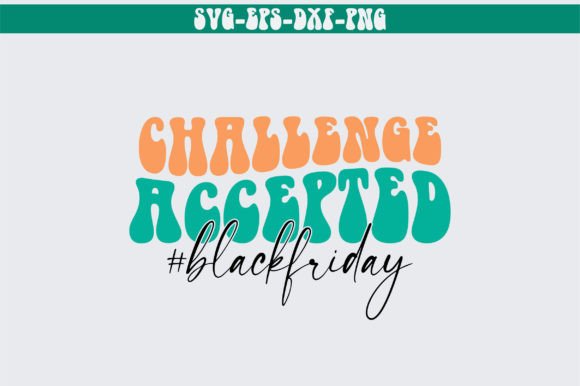
The moment you open the file, the retro aesthetic jumps out. It carries that specific mid-century modern energy that has been dominating home decor and apparel trends for the last few years. The typography feels bold but approachable, suggesting confidence without being aggressive. In the world of embroidery, "retro" can sometimes translate to cluttered details that get lost in the stitching process. However, Challenge Accepted Retro Svg strikes a balance. The lines are clean enough to maintain their shape after stitching, yet stylized enough to feel artistic rather than generic.
I found myself immediately picturing this design on a heavy cotton canvas tote bag or perhaps a thick fleece sweatshirt. The layout suggests a central focal point, which is crucial for maintaining structural integrity during the digitizing process. It doesn’t scream for attention with excessive fluff; instead, it relies on strong shapes and clear contrast. This makes it an excellent candidate for custom apparel where the message needs to be readable from a distance, whether that’s across a craft fair booth or on a commuter’s back.
Real-World Application: From Screen to Stitch
Let’s talk about the actual execution. I recently tested a similar retro-style phrase on a set of linen tea towels for a client’s boutique brand. The challenge with these types of designs is always the intersection of text and graphic elements. If the stitch density is too high, the fabric pucks. If it’s too low, the backing shows through. Based on the vector structure of Challenge Accepted Retro Svg, it appears well-suited for standard fill stitches and satin borders, provided the digitizer respects the natural flow of the lettering.
This design shines in several specific product categories:
- Apparel Decor: It works beautifully as a chest-left logo on polo shirts or a large center-back print on hoodies. The retro vibe pairs exceptionally well with vintage-wash fabrics.
- Home Goods: Imagine this stitched onto a neutral-colored pillow cover or a kitchen apron. The durability of the design means it won’t fray or lose definition even after frequent laundering.
- Baby Items: While the phrase might seem mature, the retro font style is soft enough to work on baby blankets or onesies, especially when paired with softer pastel threads.
- Patches and Badges: Because of its contained shape, this design could easily be converted into an embroidered patch for jackets or backpacks, adding a touch of personality to utilitarian gear.
For Etsy sellers and small shop owners, this versatility is gold. You aren’t limited to one niche. A single digital asset can fuel a line of holiday gifts, a collection of graduation presents, or a set of motivational office accessories.
Where Caution Is Required
No design is perfect for every surface. As I evaluated Challenge Accepted Retro Svg, I identified a few areas where an embroiderer needs to exercise caution. Textured fabrics, such as chunky knits or bouclé wool, can obscure the finer details of the retro styling. On such materials, the design should be simplified or scaled up to ensure the main shapes remain distinct.
Similarly, stretchy fabrics like thin jersey knits require a robust stabilizer strategy. Without proper support, the tension of the satin stitch around the letters could cause distortion, warping the retro aesthetic into something unintentional. Dark fabrics also present a challenge; if the design relies on negative space or subtle shading, it may get lost against a black background unless high-contrast thread colors are selected.
Another consideration is the hoop size. While the design likely fits within standard hoops, placing it on curved surfaces like baseball caps requires careful anchoring. The curvature can compress the design slightly, so checking the placement on a mockup before committing to the final garment is essential. For tiny details or intricate corners, inspect the digitization closely. If the original file has overly complex paths, they may need simplification to prevent thread breaks during long runs.
Visual Appeal and Brand Consistency
From a branding perspective, Challenge Accepted Retro Svg adds a layer of professionalism. It signals that the maker understands current trends while respecting traditional craftsmanship. When a customer sees a well-executed retro design on a handmade product, it builds trust. It suggests that the seller has put thought into the presentation, not just the production. This attention to detail enhances the perceived value of the finished product, allowing for better pricing power in competitive markets like craft business platforms.
The design’s adaptability also supports brand consistency. Whether you are creating a series of matching items for a wedding party or a cohesive line of seasonal decor, the consistent retro theme ties everything together. It creates a recognizable visual language that customers can associate with your shop.
Practical Designer Notes for Implementation
Before you rush to load this into your machine, here are a few steps I recommend to ensure success:
- Test on Scrap Fabric: Always run a test stitch-out on the same type of fabric you plan to use. This reveals how the thread colors interact with the material and helps you adjust tension settings.
- Check Stitch Density: Review the digitized file for any overly dense areas. If necessary, simplify the fill patterns to reduce bulk and improve drape.
- Confirm Hoop Size: Ensure the design dimensions fit comfortably within your available hoop sizes, leaving enough margin for handling.
- Inspect Small Details: Zoom in on the vector file. Are there any tiny spikes or thin lines that might not stitch well? These may need to be merged or removed.
- Use Proper Stabilizer: Match your stabilizer to the fabric weight. Heavy cut-away stabilizers are often best for durable goods, while tear-away may suffice for lightweight projects.
- Verify Licensing: If you intend to sell finished items, double-check the commercial use rights associated with the digital embroidery file. Some licenses restrict the number of units you can produce.
In conclusion, Challenge Accepted Retro Svg is a strong addition to any designer’s library. It offers a blend of nostalgic charm and modern utility that translates well to various mediums. By approaching it with the right technical preparation and creative vision, you can create handmade products that stand out in a crowded marketplace. It’s not just a design; it’s a foundation for building a compelling brand story through stitch and thread.