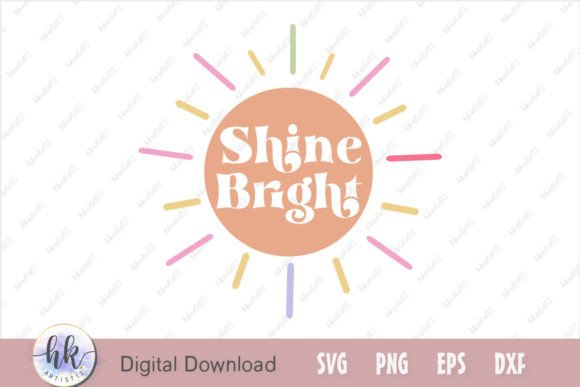
Shine Bright Retro SVG Review
As a designer who spends half my day staring at stitch paths and the other half worrying about thread tension, I don’t just look for "pretty" graphics. I look for viability. Can this design actually survive the needle? Will it hold up after ten washes? Does it translate well from a screen to a physical handmade product? Today, I’m putting Shine Bright Retro SVG through that exact scrutiny. This is an inspirational graphic categorized under Crafts and Graphics, but in the world of embroidery, category labels matter far less than execution.
The First Impression: Mood and Visual Personality
When you first load the files—typically provided as an EPS, SVG, PNG, and DXF—the immediate takeaway is the nostalgic warmth. The "Retro" aspect isn't just a trend; it’s a structural choice. The lines are likely bold enough to read clearly even when rendered in thick embroidery thread, yet soft enough to feel inviting rather than aggressive. For a design centered on self-love or positivity, the visual weight needs to be balanced. If it’s too delicate, it disappears on a heavy fabric. If it’s too blocky, it loses that vintage charm.
This particular Shine Bright Retro SVG strikes a confident balance. It feels like something you’d see on a 1970s motivational poster, reimagined for modern craft rooms. The layout suggests a central focal point with supporting elements that frame the message without cluttering the negative space. This is crucial because negative space in embroidery is where your stabilizer and fabric texture shine through. A cluttered design often leads to puckering or difficult trimming, whereas this one seems designed with breathable gaps in mind.
Real-World Application: Where It Fits Best
I’ve been thinking about how this embroidery file would perform in actual client projects. Let’s imagine a scenario: a boutique owner wants a line of personalized tote bags for a women’s empowerment workshop. They need something that looks professional but approachable. This design is perfect for that. The retro aesthetic pairs beautifully with canvas totes, creating a tote bag design that feels both timeless and trendy.
But let’s look beyond the tote. Consider a custom sweatshirt for a holiday gift. The warm, uplifting theme works exceptionally well for winter wear, especially when paired with cream, mustard, or rust-colored threads. The design’s resolution (noted as 300 dpi in the source PNG) ensures that the vector tracing remains crisp, which is vital for maintaining clarity during digitization. When placed on the chest of a sweatshirt, it acts as a statement piece without overwhelming the garment’s silhouette.
It also has strong potential for nursery decor or baby items. A soft pastel version of this embroidery project could be stunning on a muslin blanket or a hooded towel. The "self-love" message translates subtly into themes of care and nurturing, making it a thoughtful choice for baby showers. However, for baby items, you must ensure the digitized version uses softer fill stitches rather than hard edges to maintain that gentle aesthetic.
Technical Performance and Stitch Clarity
From a technical standpoint, the success of any machine embroidery design hinges on stitch density and detail level. Retro designs often rely on clean lines and solid shapes, which generally digitize well. However, if the original graphic contains tiny decorative accents or intricate corner details, those can become muddy if the hoop size is too small.
Here is where practical judgment comes in. If you are planning to stitch this inside a 4x4 inch hoop, you need to scrutinize the smallest elements. Tiny text or fine linework might merge together, turning into a blob of color. I recommend testing the design in black and white mockups first. This strips away the distraction of thread colors and lets you see if the shapes remain distinct. If the design relies on subtle shading, it may require a high-quality multi-color setup with careful thread blending.
Furthermore, consider the stitch density. If the design features large areas of fill stitch, ensure your fabric can support it. On thin cotton or stretchy knits, a dense fill can cause significant distortion unless you use a cut-away stabilizer. For woven fabrics like denim or canvas, a tear-away might suffice for smaller placements, but always err on the side of extra support to protect your finished product.
Where to Exercise Caution
While this design is versatile, there are specific scenarios where it might struggle:
- Small Hoop Sizes: Avoid cramming this into a 3x3 hoop if it contains detailed corners. You risk losing the design's integrity.
- Textured Fabrics: On bouclé wool or heavy corduroy, the retro lines might get lost in the fabric nap. Stick to smoother surfaces for maximum impact.
- Dark Fabrics: If stitching light-colored threads on dark fabric, ensure the underlay stitches are robust. Otherwise, the base fabric may show through, ruining the clean retro look.
- Curved Surfaces: Applying this to a cap or hat requires careful hooping techniques. Flat surfaces like aprons or pillow covers will yield more consistent results.
Impact on Product Value and Brand Consistency
For Etsy sellers and small business owners, the difference between a good listing and a great one often lies in presentation. A well-executed embroidered patch or custom apparel item tells a story before the customer even reads the description. Using a design like Shine Bright Retro SVG signals that you understand current aesthetics while delivering quality craftsmanship.
When customers receive a handmade product, they are buying into the emotion behind it. This design’s positive message enhances the perceived value of the item. It transforms a simple t-shirt into a wearable affirmation. For commercial embroidery projects, this emotional connection drives repeat business and word-of-mouth referrals. Buyers trust sellers who pay attention to detail, such as proper thread color contrast and neat finishing.
Additionally, this design asset is excellent for creating printable mockups. Before you invest time in stitching every variation, you can use the digital files to create realistic previews for your online store. This allows you to test different background colors and product types virtually, saving materials and reducing waste. It’s a smart workflow for any creative entrepreneur looking to streamline their production process.
Practical Designer Notes for Success
Before you rush to your machine, keep these essential tips in mind:
- Test on Scrap Fabric: Always run a test stitch-out. Check for thread breaks, tension issues, and overall alignment.
- Review Thread Colors: Choose threads that complement the retro vibe. Earth tones, muted pastels, or bold primary colors can completely change the mood.
- Confirm Licensing: Ensure you have the right to sell finished products made from this design. Commercial rights vary by creator, so check the terms carefully.
- Inspect Small Details: Zoom in on the vector file. Are there any unnecessary nodes or tiny specks that won’t digitize well?
- Use Proper Stabilizer: Match your stabilizer to your fabric type. Wrong stabilization is the number one cause of puckering and misalignment.
In conclusion, Shine Bright Retro SVG is a strong candidate for a wide range of embroidery projects. Its clear visual hierarchy, nostalgic appeal, and adaptable layout make it suitable for everything from personal gifts to boutique merchandise. By approaching it with technical diligence and creative intention, you can create finished products that not only look beautiful but also stand the test of time and wear.