Groovy Retro Embroidery Review
When I first opened the files for This Isn t Real Groovy Retro Svg Design, my immediate thought was about versatility. As a designer who spends half my life troubleshooting stitch errors and the other half trying to make handmade products look professional on Etsy, I don’t have time for designs that look great in theory but fail miserably under the needle. This design caught my eye not just because of its nostalgic aesthetic, but because it seems to bridge the gap between a simple graphic and a complex embroidery project. It falls squarely into the Crafts and Graphics categories, which usually means it’s meant to be adapted rather than stitched directly out of the box. Let’s break down how this machine embroidery design actually performs when you move it from your screen to the hoop.
First Impressions: Mood and Visual Personality
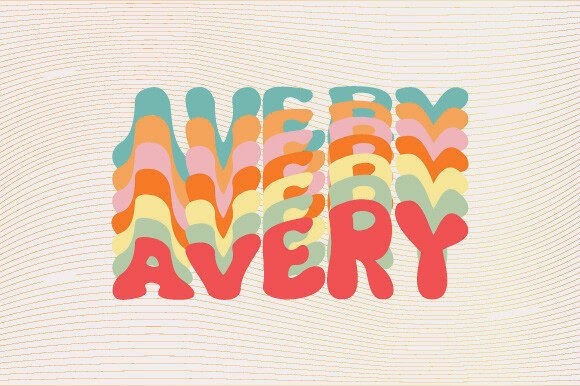
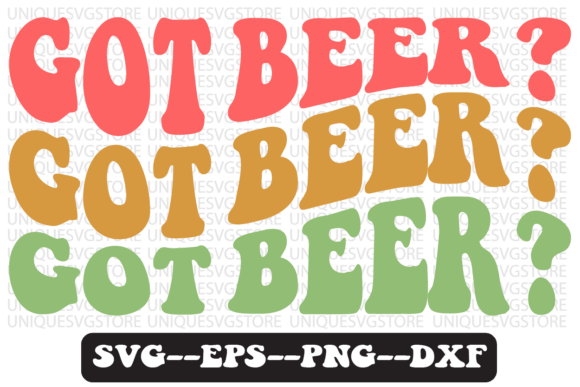
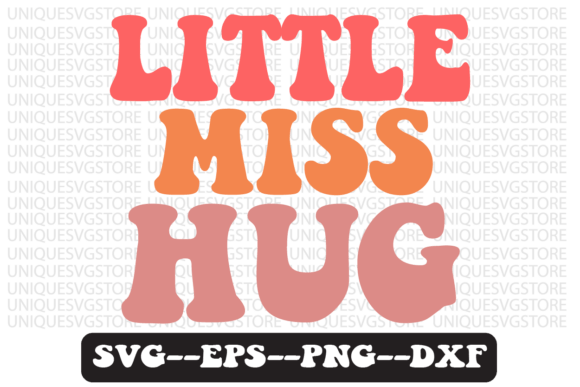
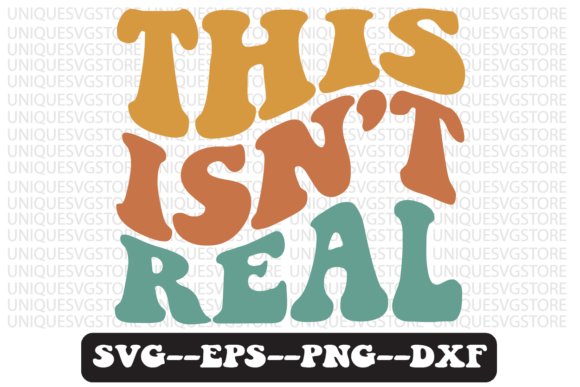
The name alone sets a tone—playful, slightly ironic, and deeply rooted in retro culture. Visually, the design carries that distinct "groovy" energy we’ve seen trending in boutique apparel lately. It feels like something you’d expect to see on a vintage concert poster or a faded band tee from the late sixties. The shapes appear bold enough to hold their own against the texture of fabric, which is the number one thing I look for in an embroidery file. If a design relies too heavily on thin lines or tiny details, it often turns into a muddy mess once the thread tension is applied.
What stands out here is the potential for strong visual impact. The layout suggests it could work beautifully as a statement piece on the chest of a hoodie or centered on the back of a tote bag. It has a personality that screams "handmade product," which is exactly what buyers are looking for when they want to support small businesses. It doesn’t feel generic; it feels curated. That distinction matters when you’re trying to build brand consistency for your own shop.
Real-World Application: Where It Shines
I spent some time mentally mapping out where this design would fit best in a real craft business inventory. Because it is described as a versatile SVG that can be printed or embroidered, it opens up several avenues for custom apparel.
- Sweatshirt Embroidery: This is probably the strongest use case. The retro vibe pairs perfectly with heavyweight cotton blends found in premium hoodies. When stitched onto a sweatshirt, the texture of the fabric complements the groovy curves, making the finished product feel tactile and high-quality.
- Baby Embroidery: I immediately pictured this on a onesie or a baby blanket. The playful nature of the design makes it ideal for personalized gifts. Parents love items that look fun but aren’t overly complicated. If digitized correctly, it could become a top-selling item during holiday seasons.
- Tote Bag Design: Canvas bags are a staple for any craft business. This design would pop nicely on natural canvas or even black canvas if you use contrasting thread colors. It’s a great way to add value to a simple accessory without overcomplicating the stitching process.
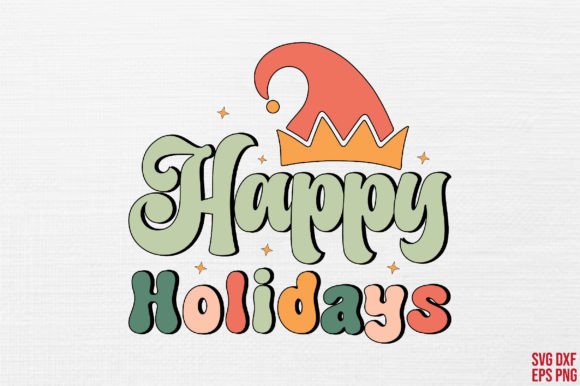
- Holiday Embroidery: Depending on the specific color palette you choose, this could easily slide into seasonal merchandise. Think autumn festivals or winter gift-giving, where people are looking for unique, handmade items rather than mass-produced goods.
For Etsy sellers and small shop owners, having a design that transitions well across these different product types is gold. You can create a cohesive collection—a matching set of a mug, a pillow cover, and a shirt—using the same core graphic. This efficiency helps in managing inventory and marketing efforts.
Technical Considerations and Stitch Clarity
However, a pretty picture isn’t enough. We need to talk about execution. When converting a vector graphic into an embroidery project, certain elements require careful attention to ensure the final result looks professional.
Stitch Density and Detail: The design likely contains areas that will need fill stitch to cover the background and satin stitch for outlines or text. If the original SVG has very fine lines, you might run into issues with thread breaks or puckering. I always advise testing the design on scrap fabric first to check the stitch density. If the stitches are too close together, the fabric might pucker; if they are too far apart, the underlying material might show through, ruining the clean look.
Fabric Texture and Background: The success of this design will heavily depend on the base material. On a smooth cotton tee, it will look crisp. But on a textured fabric like bouclé or a stretchy jersey knit, you’ll need to be extra careful with your stabilizer choice. A tear-away stabilizer might not provide enough support for a dense design, leading to distortion. For stretchy fabrics, a cut-away stabilizer is often safer to maintain integrity after washing.
Thread Colors: Since this is a digital embroidery file concept based on a print design, you have the freedom to choose your threads. To capture the "groovy" essence, consider using vibrant, saturated colors. However, contrast is key. Dark fabrics will require light, bright threads to make the design pop, while light fabrics might benefit from darker, richer tones for definition. Always test your thread colors against your actual fabric before committing to a full production run.
Where to Use It Carefully
While this design is versatile, it’s not a one-size-fits-all solution. There are specific scenarios where you should proceed with caution.
- Small Hoop Sizes: If you are working with a limited hoop size, intricate details might get lost. Simplify the design or scale it up to ensure clarity.
- Curved Surfaces: Applying this to a cap or a curved hat brim requires precise hooping techniques. The design’s symmetry might get distorted if the fabric isn’t pulled taut evenly.
- Dense Stitch Areas: Avoid placing dense fill stitches on delicate fabrics like silk or thin linen, as the weight of the thread can damage the material.
- Frequent Washing: For items that will undergo heavy laundering, such as work aprons or kids' clothes, ensure the design is anchored properly. Loose ends or inadequate backing can lead to premature wear.
Final Verdict for Creators
This Isn t Real Groovy Retro Svg Design is a strong candidate for anyone looking to add a touch of nostalgia to their commercial embroidery offerings. It has the visual appeal to attract customers and the structural simplicity to be manageable for most machine embroiderers. Whether you are creating a personalized gift for a friend or building a line of design assets for your online store, this design offers a solid foundation.
Before you start producing, remember to verify the licensing terms. Just because you can buy the file doesn’t always mean you have the right to sell unlimited finished items. Check whether it’s intended for personal use only or if it includes commercial rights. Also, inspect the small details closely. If there is tiny lettering or decorative accents, ensure they are large enough to be stitched clearly. A blurry logo or unreadable text can hurt customer trust and reflect poorly on your brand.
Ultimately, the best embroidery projects come from thoughtful adaptation. Take this applique design or graphic concept, adjust the hoop size to fit your target product, choose the right stabilizer, and test it thoroughly. When done right, this groovy retro style can turn a plain piece of fabric into a standout handmade product that customers will love to wear and display.