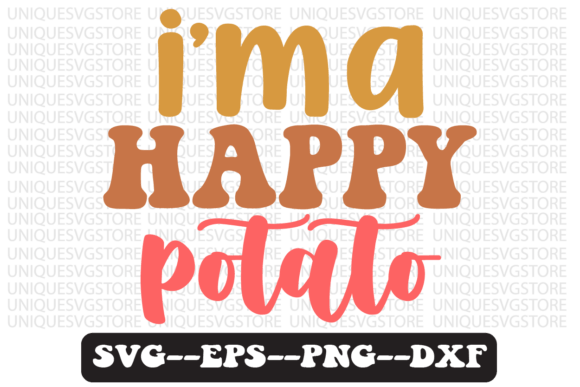
Happy Potato Retro Svg Design Review
As a designer who spends more time than I care to admit staring at stitch counts and thread colorways, I approach every new I m a Happy Potato Retro Svg Design with a mix of curiosity and skepticism. The market is flooded with novelty graphics, but few translate seamlessly from a digital screen to the physical texture of fabric. Today, I’m putting this specific groovy retro svg design through its paces—not just as a static image, but as a functional machine embroidery design intended for real-world application.
The premise is simple: a cheerful potato with a retro aesthetic. But in the world of Crafts and handmade goods, simplicity is where the magic happens. This isn’t just a clipart file; it’s a Graphics asset that promises personality. My goal here is to determine if this design holds up when subjected to the rigors of hoop tension, thread density, and daily wear by your customers.
First Impressions and Visual Personality
When you first load this I m a Happy Potato Retro Svg Design, the immediate takeaway is its playful energy. The "groovy" aspect suggests a vintage 70s or early 80s influence—think warm earth tones, wavy lines, and a relaxed vibe. For an embroidery project, this mood is crucial. It sets the tone for the entire finished product. Unlike stark, modern geometric designs that can feel cold on soft fabrics, this potato radiates warmth and humor.
From a layout perspective, the design feels balanced. It doesn’t scream for attention with chaotic elements; instead, it offers a charming focal point. This makes it incredibly versatile. It works equally well as a subtle chest logo on a hoodie or a larger statement piece on a tote bag. The visual personality is distinct enough to be memorable but generic enough in theme (a happy vegetable) to appeal to a broad audience. That balance is rare and valuable for any Etsy seller or small business owner looking to create bestsellers.
Real-World Application: The Tote Bag Scenario
To truly evaluate this design, let’s imagine a concrete scenario. You are preparing a batch of custom embroidered tote bags for a local craft fair. These aren’t just any bags; they are organic cotton canvas totes marketed toward eco-conscious shoppers who appreciate quirky, handmade gifts. You choose the I m a Happy Potato Retro Svg Design for the front center placement.
Here is why this works: The retro aesthetic pairs beautifully with natural fibers. The contrast between the structured canvas and the whimsical potato creates a tactile interest that draws the eye. When a customer picks up the bag, they see the texture of the stitches, the sheen of the polyester or rayon threads, and the recognizable shape of the potato. It transforms a utilitarian item into a conversation starter. This is exactly what drives engagement in a boutique setting. It’s not just a bag; it’s a handmade product with character.
Furthermore, this design translates exceptionally well to other apparel items mentioned in the product description, such as sweatshirt embroidery or baby embroidery on onesies. The chunky, rounded nature of the potato shape is forgiving. It doesn’t require microscopic precision, which means it looks great even on slightly stretchy jersey knits or fuzzy fleece materials often used for cozy winter wear.
Performance in Stitching and Clarity
Now, let’s talk technical performance. A pretty picture is useless if it unravels after one wash. The success of this embroidery file depends heavily on how the underlying digitization handles stitch density.
- Satin Stitch vs. Fill Stitch: The outline of the potato likely utilizes a satin stitch to define the edges cleanly against the fabric. If the digitizer did their job right, these borders should be smooth and tight, preventing the fabric from puckering. The interior details—the eyes, mouth, and retro swirls—should use fill stitches. These need to be dense enough to cover the background fabric completely but not so dense that the material becomes stiff and board-like.
- Detail Level: One of the biggest risks with novelty characters is losing detail in small areas. Does the potato have tiny hands? Expressive eyebrows? If these elements are too small, they may merge into a blob during stitching. However, given the "retro" style, which often favors bold shapes over intricate linework, this design likely avoids the pitfall of overly fine details. This makes it safer for beginners and faster to run on commercial machines.
- Thread Colors: The groovy palette implies multiple colors. You’ll want to ensure there is sufficient contrast between adjacent thread colors. For instance, a light yellow potato on a white shirt might lack definition, whereas the same potato on a navy blue or heather grey shirt will pop. Always test your thread colors against your actual fabric stock.
Where to Use Carefully
While this design is robust, no digital embroidery file is universal. There are specific contexts where you must exercise caution:
- Small Hoop Sizes: If you plan to embroider this on a cap or a narrow wristband, check the final dimensions. If the design exceeds your machine’s maximum hoop width, you will need to split the design or resize it, which can distort the aspect ratio.
- Textured Fabrics: Avoid using this on heavily textured fabrics like bouclé wool or thick terry cloth unless you are experienced. The needle penetration might struggle, leading to skipped stitches or misalignment.
- Curved Surfaces: Embroidering on the curved crown of a baseball cap requires precise stabilizer usage and possibly a temporary tear-away backing to prevent the design from shifting. The roundness of the potato might look distorted if the hoop tension pulls the fabric unevenly.
- Dark Fabric: If your fabric is very dark, ensure the thread colors chosen for the design are opaque. Some pastel retro shades may require underlay stitches or multiple passes to cover the dark background effectively.
Impact on Product Value and Brand Consistency
Using a high-quality embroidery project like this elevates your brand perception. Customers associate neat, clear stitching with professionalism. A sloppy potato looks like a mistake; a crisp, vibrant potato looks like a curated design choice.
This design supports brand consistency because its retro theme is timeless. It doesn’t rely on fleeting internet memes that will look outdated in six months. Instead, it taps into the enduring popularity of comfort food and nostalgic aesthetics. This longevity adds value to your inventory. Whether you are selling personalized gifts for birthdays or creating commercial embroidery for corporate swag, the design remains relevant.
Additionally, the versatility of this design assets allows for cross-selling opportunities. You can offer matching pillow covers, kitchen towels, and aprons. The "Happy Potato" theme fits naturally into a kitchen or nursery setting, expanding your potential customer base beyond just fashion enthusiasts.
Practical Designer Notes for Implementation
Before you hit "start" on your machine, follow these practical steps to ensure success:
- Test on Scrap Fabric: Never run a new design directly onto your final product. Use a scrap piece of the exact same fabric and stabilizer combination. This reveals issues with tension, thread breakage, or hooping difficulties before they become costly mistakes.
- Check Stabilizer Choice: The type of stabilizer matters immensely. For lightweight tees, a cut-away stabilizer provides lasting support. For heavier hoodies, a tear-away might suffice. Using the wrong stabilizer can lead to bubbling or distortion.
- Inspect Small Details: Zoom in on the digitized file if possible. Look for any overlapping stitches that might cause bulk or any tiny elements that might get lost in the stitching process.
- Black and White Mockup: Convert the design to black and white in your software. This helps you visualize the balance of positive and negative space without being distracted by color choices.
- Confirm Licensing: As a professional, you must verify the license terms. Does the purchase allow for commercial use? Can you sell unlimited finished products? Ensure you have the rights to sell small shop products featuring this design to avoid legal issues.
Final Verdict
The I m a Happy Potato Retro Svg Design is a solid addition to any crafter’s library. It balances charm with technical feasibility, making it suitable for a wide range of applications from tote bag design to holiday embroidery. Its retro appeal ensures it stands out in a crowded marketplace, while its relatively simple structure keeps production efficient.
For craft business owners looking to add a touch of whimsy to their custom apparel line, this design delivers. Just remember: the difference between a good product and a great one often lies in the execution. Take your time with hooping, choose your threads wisely, and trust the process. When done right, a little happy potato can bring a lot of joy to your customers—and a nice boost to your bottom line.