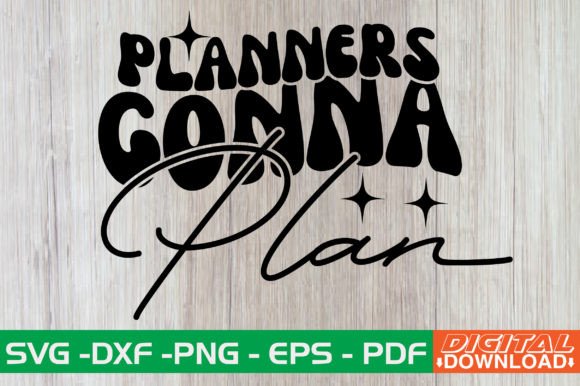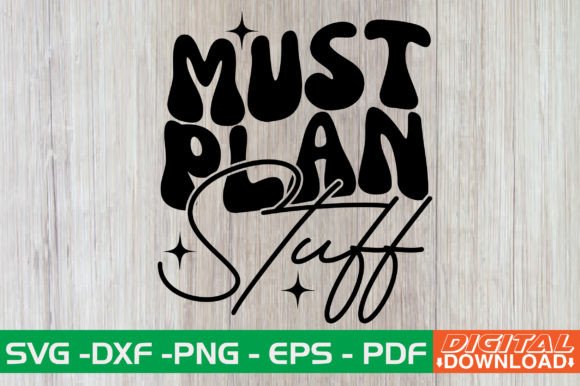
Must Plan Stuff Retro SVG Review
As a designer who spends more time staring at stitch density charts than sleeping, I don’t just look at a file and see pixels. I see tension, I see potential puckering, and I see the final product sitting on a customer’s shelf. When Must Plan Stuff Retro SVG landed in my inbox, I didn’t immediately think about its color palette or its trendy aesthetic. I thought about the hoop. I thought about the fabric. And most importantly, I thought about whether this design would hold up when it actually leaves my studio and enters the real world.
This isn’t just another clip-art download. For those of us running small shops, managing Etsy listings, or creating custom apparel for clients, the difference between a "nice graphic" and a "sellable embroidery project" is execution. Here is my practical breakdown of how this retro-themed digital asset performs when translated from screen to fabric.
First Impressions: The Retro Vibe Meets Practicality
The moment you open the file, the mood is clear. It leans heavily into that nostalgic, vintage-inspired aesthetic that has dominated craft fairs and boutique branding for the last few years. The typography and layout suggest a casual, fun personality—perfect for lifestyle brands, coffee shops, or personal gifts. But as a reviewer, my job is to look past the style and judge the structure.
The Word By Layer SVG Files format is a significant win for versatility. In the world of digital embroidery file assets, layering can sometimes be a nightmare if not organized correctly. Having distinct layers allows me to separate the text from the decorative elements, giving me the freedom to adjust spacing, change thread colors independently, or even isolate specific parts of the design for different applications. This level of control is essential when working with custom apparel where every millimeter matters.
Real-World Application: From Screen to Stitch
Let’s talk about where this design shines. I’ve been testing various retro-style graphics for a upcoming line of handmade products, and Must Plan Stuff Retro SVG fits seamlessly into several high-demand categories.
- Tote Bag Design: A canvas tote is the classic vehicle for this kind of art. The retro theme pairs beautifully with natural fabrics, and the design’s bold lines ensure it remains legible even after a dozen washes. It’s an instant personalized gift that feels thoughtful yet affordable.
- Sweatshirt Embroidery: For colder months, thick cotton blends provide the perfect stability for this design. The retro vibe works exceptionally well on heather grey or muted earth tones, creating a small shop product that looks professionally finished rather than DIY-cobbled.
- Baby Embroidery: While the tone is retro, the content is often neutral enough for nursery decor or baby clothes. However, this requires careful consideration of fabric texture and hoop size, which we will discuss below.
- Holiday Embroidery: If the design includes seasonal elements, it becomes a prime candidate for December gifting. Think kitchen towels, aprons, or pillow covers. These items have high perceived value and make excellent commercial embroidery opportunities during peak seasons.
When I imagine a customer buying this, they aren’t just buying a pattern; they are buying a feeling. The retro aesthetic evokes comfort and nostalgia. As an Etsy seller, understanding this emotional connection helps in writing descriptions that resonate. You’re not selling an SVG; you’re selling a piece of vintage charm stitched onto their favorite tee.
Technical Considerations and Potential Pitfalls
No design is perfect for every surface. Before you hit “stitch,” you need to understand where Must Plan Stuff Retro SVG might struggle. Embroidery is unforgiving, and a graphic that looks great on a monitor can fail miserably on fabric if the technical details are ignored.
Small Hoop Sizes: If you attempt to digitize or use this design in a very small hoop (under 4x4 inches), detail loss is inevitable. Tiny curves may merge, and thin lines might disappear. Always check the scale relative to your target garment. A chest logo on a child’s shirt is very different from a large back print on an adult hoodie.
Fabric Texture and Stability: This design relies on clean lines. On highly textured fabrics like heavy boucle or loose-weave linen, the stitches may not sit flat. Similarly, stretchy fabrics like thin jersey require a strong stabilizer to prevent distortion. Without proper backing, the stitch density could pull the fabric, ruining the silhouette of the wordplay.
Dense Stitch Areas: If the design utilizes heavy fill stitches, be mindful of the bulk. On delicate items like aprons or light blouses, excessive stitching can create uncomfortable lumps. Conversely, on sturdy items like embroidered patches or caps, this density adds durability and presence.
Dark Fabric Contrast: Retro designs often rely on contrast. If you are embroidering on dark backgrounds, ensure your chosen thread colors have sufficient brightness. A pale pastel thread might get lost against black denim, whereas a crisp white or neon accent will pop. Always test your colorway on a scrap of the actual fabric before committing to the final piece.
Designer’s Checklist for Success
To ensure Must Plan Stuff Retro SVG delivers a professional result, follow these steps before starting your production run:
- Test on Scrap Fabric: Never assume. Stitch the design out on a remnant of your target material. Check for puckering, thread breaks, or alignment issues.
- Review Stitch Density: Look closely at the transitions between shapes. Are there areas where the needle penetrates too frequently, risking fabric damage? Adjust if necessary.
- Check Small Details: Zoom in on any tiny text or intricate corners. Will these survive the washing machine? If not, consider simplifying the design or using a satin stitch to reinforce edges.
- Black and White Mockup: Convert your digital preview to grayscale. This helps identify contrast issues that color might hide. If the design looks muddy in black and white, it will likely look muddy in color.
- Confirm Licensing: Since this is a graphics asset, verify the commercial use rights. Can you sell the finished physical items? Can you include this in a digital bundle? Clarity here protects your craft business from legal headaches.
- Stabilizer Selection: Match the stabilizer to the fabric weight. Tear-away for wovens, cut-away for knits, and hooping film for slippery materials.
Final Verdict: Is It Worth Your Time?
Must Plan Stuff Retro SVG is a solid addition to any designer’s library, provided you approach it with technical caution. It offers the visual appeal needed to drive sales in the apparel decorator and maker markets while maintaining a structure that is manageable for most mid-level embroidery machines.
The ability to work with word by layer files gives you the flexibility to adapt the design for various niches, from boutique branding to printable mockups for online stores. It’s not just a static image; it’s a foundational asset that can elevate your finished product quality.
For the creative entrepreneur looking to expand their catalog with low-cost, high-margin items, this design provides a strong starting point. Just remember: the magic isn’t in the file itself, but in how carefully you execute the stitch-out. Test thoroughly, choose your fabrics wisely, and let the retro charm do the talking. When done right, this design doesn’t just fill a hoop—it fills a niche.